Name days on January 2
Serafim, Serafeim, Seraphim, Sylvester, Silvester, Silvestros, Sylvestros, Theagenes, Theagenis, Theodote, Theodoti, Theodota
Saints and feasts of January 2
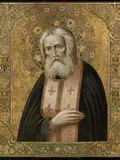
Seraphim of Sarov
Venerable, Σεραφείμ
St. Seraphim of Sarov, one of the most beloved saints of Russia, lived from the mid-eighteenth century until 1833. Entering the monastery of Sarov as a young man, he spent long years in seclusion in the forest in fasting, silence, and unceasing prayer, including, according to tradition, a thousand days and nights of prayer upon a rock.
Sylvester of Rome
Hierarch, Σίλβεστρος
St. Sylvester was Bishop of Rome in the first half of the fourth century, during the reign of St. Constantine the Great, when the Church emerged from persecution. The First Ecumenical Council at Nicaea was held during his episcopate, and he was represented there by his legates.
Name days: Sylvester, Silvester, Silvestros, Sylvestros
Theagenes of Parium
Hierarch, Θεαγένης
St. Theagenes was Bishop of Parium on the Hellespont. In the persecution under Licinius he was pressed to serve in the army and to deny Christ; refusing, he was imprisoned, tortured, and finally drowned in the sea.
Theodote the Mother of the Unmercenaries
Holy Woman, Θεοδότη
St. Theodote was the mother of the Holy Unmercenaries Cosmas and Damian of Asia. Widowed young, she raised her sons in piety and in the fear of God, and it was from her that they learned the faith and the love of neighbor that marked their life of free healing.
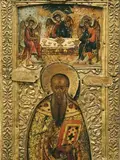
Basil of Ancyra
Martyr, Βασίλειος εξ Αγκύρας
St. Basil of Ancyra was a layman of that city who confessed Christ boldly during the reign of Julian the Apostate in the fourth century. Brought before the governor, he refused to sacrifice to the idols and was subjected to many tortures before being put to death.
Juliana of Lazarevo
Holy Woman, Ιουλιανή η Δικαία
St. Juliana of Lazarevo was a Russian noblewoman of the sixteenth and early seventeenth centuries who lived as a wife and mother near Murom. Without leaving the world, she gave herself to prayer and to unceasing works of mercy, feeding the hungry from her own table even during famine.
George the Iberian
Martyr, Γεώργιος ο Ίβηρ
St. George the Iberian, called Zorzis, was a Georgian by birth who had been taken captive and forced to embrace Islam as a child. Tradition relates that as an adult in Mytilene he returned openly to the Christian faith and, refusing to deny Christ, was hanged in 1770.
The calendar, on your phone each morning
Today’s saints, whether it is a fast day, and the people in your contacts who have a name day. Free, with no ads.