Name days on September 11
Theodora, Dora, Thea, Theodori, Euphrosynos, Efrosynos, Efrosinos, Evfrosinos, Evanthia, Evanthea, Evanthie
Saints and feasts of September 11
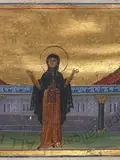
Theodora of Alexandria
Holy Woman, Θεοδώρα
St. Theodora of Alexandria lived in the fifth century. Having fallen into sin, she was seized with deep repentance and, disguising herself in men's clothing, entered a monastery under the name of the monk Theodore, where she labored for years in humility, obedience, and secret tears, patiently bearing even false accusation.
Euphrosynos the Cook
Venerable, Ευφρόσυνος ο Μάγειρας
St. Euphrosynos was a simple monk of peasant birth who served as cook in his monastery, bearing the scorn of the brethren with patience and hidden prayer. Tradition relates that a priest of the monastery saw him in a dream standing in Paradise and received from him three apples, which he found beside his bed when he awoke.
Name days: Euphrosynos, Efrosynos, Efrosinos, Evfrosinos
Demetrios, Evanthia and Demetrianos of Skepsis
Martyr, Δημήτριος, Ευανθία και Δημητριανός
St. Demetrios was prince and governor of Skepsis on the Hellespont, converted to Christ with his wife Evanthia and their son Demetrianos by the preaching of St. Cornelius the Centurion. Tradition relates that, when a new pagan governor arrived, the family confessed the faith and were put to death for it.
Diodoros, Diomedes and Didymos
Martyr, Διόδωρος, Διομήδης και Δίδυμος
The holy martyrs Diodoros, Diomedes and Didymos were Christians of Laodicea in Syria who confessed Christ during the pagan persecutions and were flogged to death.
Theodora of Vasta
Holy Woman, Θεοδώρα της Βάστας
St. Theodora of Vasta lived in the Peloponnese in the Byzantine period and, tradition relates, disguised herself as a man to serve as a soldier in place of her aged father. Falsely accused and condemned, she prayed that her body might become a church, her hair trees and her blood a spring, and was put to death.
Elias the Cave-dweller and Arsenios
Venerable, Ηλίας ο Σπηλαιώτης και Αρσένιος
St. Elias the Cave-dweller was born at Reggio in Calabria in the ninth century and embraced the ascetic life in the caves of southern Italy, then part of the Byzantine world, together with his companion Arsenios. He was known for his humility, his gift of discernment, and the many disciples he guided.
Ia of Persia and the 9,000 with her
Holy Woman, Ία
St. Ia was a Christian woman taken captive with a great multitude of believers by the Persian king Shapur II in the fourth century. Refusing to renounce Christ, she endured prolonged torture and was beheaded.

The calendar, on your phone each morning
Today’s saints, whether it is a fast day, and the people in your contacts who have a name day. Free, with no ads.