Maximus can be celebrated on 2 feasts in the Orthodox calendar. People keep the feast of the saint they were named for, or the one their family has always kept.
Every feast on which Maximus is celebrated
| New Calendar | Feast | Old Calendar (civil date) |
|---|---|---|
| January 21 | Maximos the Confessor | February 3 |
| August 13 | Maximos the Confessor | August 26 |
The saints behind the name
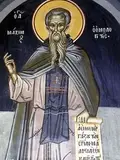
Maximos the Confessor
January 21, Hierarch, Μάξιμος
St. Maximos the Confessor was a monk and theologian of the seventh century. Leaving high office in Constantinople for the monastic life, he became the great champion of the truth that Christ, being true God and true man, possesses both a divine and a human will, standing almost alone against the Monothelite heresy supported by emperor and patriarch.
Maximos the Confessor
August 13, Venerable, Μάξιμος
St. Maximos the Confessor was a monk and theologian of the seventh century. Leaving high office in Constantinople for the monastic life, he became the great defender of the true faith against monothelitism, teaching that Christ, being true God and true man, possesses both a divine and a human will. For refusing to keep silence he was tried, mutilated, and exiled, dying in banishment in 662.
Also celebrating with Maximus
These names share the feast, many of them other forms of the same name:
Maximos, Makis, Max, Maksim, Maxim
What to say on a name day
The Greek wish is Χρόνια Πολλά (Chronia Polla), “many years.” A call or a short message on the day is what people remember. See name day wishes you can send and what a name day is.
The calendar, on your phone each morning
Today’s saints, whether it is a fast day, and the people in your contacts who have a name day. Free, with no ads.